

Most homeowners only research electrical panel upgrades after something goes wrong — a quote lands in their inbox, a breaker starts tripping weekly, or an electrician flags the panel during a home inspection.
By that point, you’re already behind. You don’t know what a fair price looks like, what’s driving the number up, or which line items in the estimate are standard versus inflated.
Here’s what the data actually shows: the cost to upgrade an electrical panel ranges from $1,300 to over $6,000 for most US homeowners in 2026 — and that spread isn’t random. It comes down to a handful of factors that are completely predictable once you know what to look for.
This guide breaks down exactly that. Real price ranges by project type and region, what separates a straightforward job from an expensive one, which older panel brands create insurance problems, and the questions worth asking before you sign anything.
What You’ll Actually Pay to Upgrade an Electrical Panel
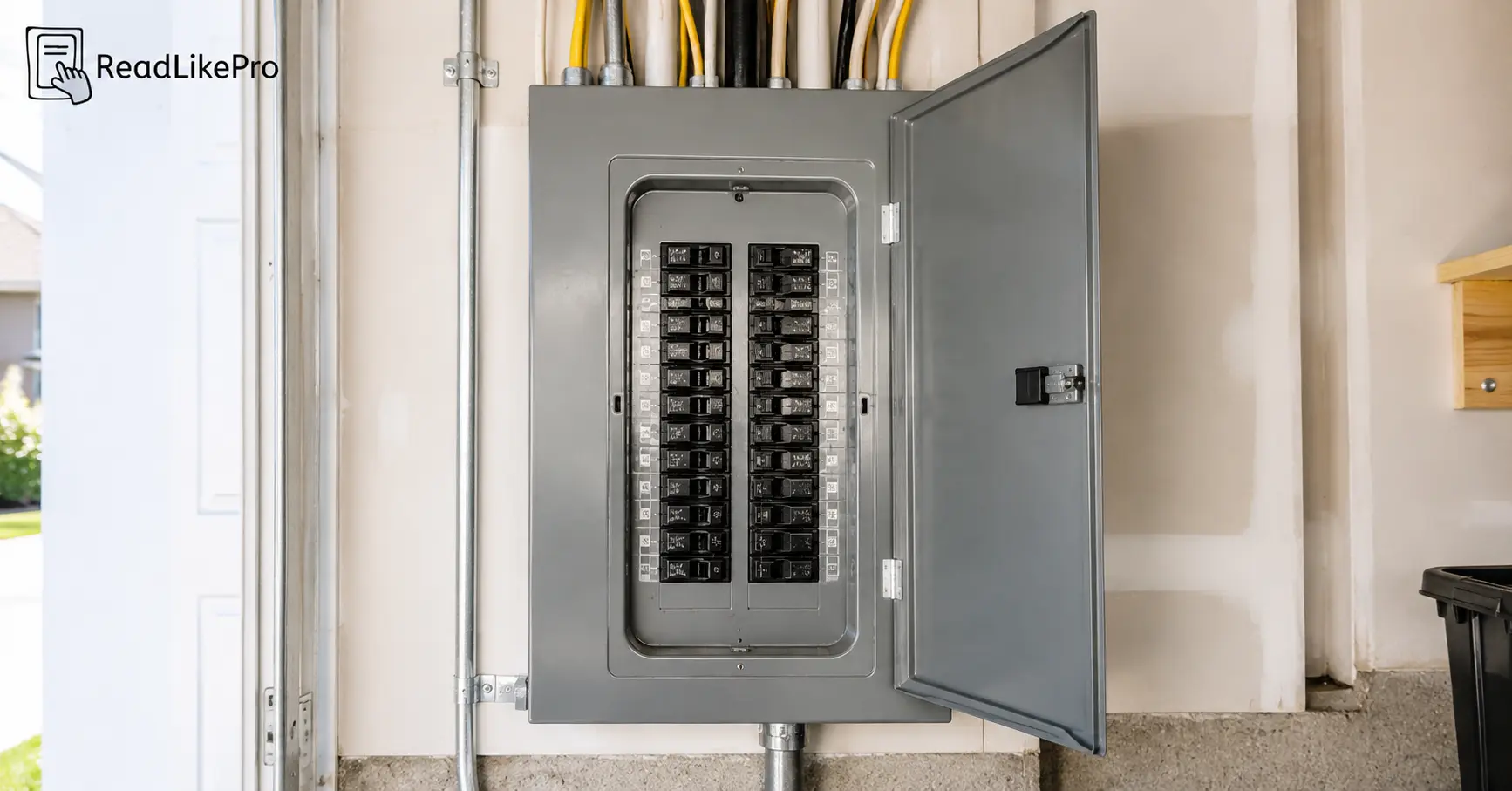
homeowners spend somewhere between $1,300 and $4,500 for a standard residential panel upgrade. That’s the national range you’ll see quoted across the industry — and it’s accurate for typical jobs, according to HomeAdvisor’s electrical panel upgrade cost data.
But “typical” covers a lot of ground.
A straightforward swap — old panel out, same-size new panel in, same location, minimal rewiring — lands at the lower end. A full service upgrade where you’re jumping from 100-amp to 200-amp in an older home with knob-and-tube wiring, moving the panel location, and coordinating with the utility company can push past $6,000 to $8,000 without blinking.
Here’s the breakdown by scope:
| Project Type | Typical Cost Range |
|---|---|
| 100A panel replacement (same size, same location) | $1,200 – $2,000 |
| 100A to 200A upgrade, standard install | $1,800 – $4,500 |
| 100A to 200A with panel relocation | $3,000 – $6,500 |
| Fuse box to circuit breaker panel | $2,000 – $5,000 |
| 200A to 400A service upgrade | $4,500 – $10,000+ |
| Full service upgrade (utility coordination required) | $5,000 – $30,000 |
| Subpanel installation | $1,500 – $3,500 |
The panel itself is not what you’re paying for. Hardware — the breaker box, circuit breakers, service entrance cable — typically runs $250 to $600. The rest is labor, permits, and whatever else the job turns up once they open the wall.
Labor alone accounts for 60 to 75 percent of your total bill. Licensed electricians charge $75 to $250 per hour depending on your region, and most panel upgrades take 4 to 8 hours under normal conditions — a breakdown Angi confirms in their panel upgrade cost guide.
What Separates a $1,500 Job From a $6,000 Job
People get shocked (pun intended) when the quote comes back higher than they expected. The electrical panel upgrade cost isn’t one flat number — the reason it swings so wide almost always comes down to one or more of these variables.
Amperage Jump
Going from 60-amp to 100-amp is a different project than going from 100-amp to 200-amp. Bigger jump means thicker service entrance cables, a larger panel, more circuits to reconnect, and more labor. The panel hardware alone can cost three times as much at 200A versus 100A.
For context: 200-amp is now the standard for any modern home, as This Old House notes in their panel upgrade guide. If your panel is below that and you’re planning to add an EV charger, run a heat pump, or do any significant renovation, 200-amp should be your target — not 150-amp.
Panel Location
Moving the panel — even across the same room — adds real cost. Moving it outside, to a different floor, or from an interior closet to the garage adds $800 to $3,000 just for the relocation work. Current code in many states requires the main disconnect to be accessible from the exterior (so firefighters can shut off power fast), so older homes with interior boxes sometimes get flagged during permit inspection.
Age and Condition of Existing Wiring
This is the wildcard. The electrician can see the panel from the outside. They can’t always see what’s inside the walls until they start work. Homes built before 1970 sometimes have aluminum branch wiring, knob-and-tube wiring, or both — neither of which plays nicely with a modern breaker panel without additional remediation work. If the wiring can’t support the new load safely, the job gets more expensive.
If you’re unsure whether your home’s wiring is keeping pace with your electrical demand, our guide on electrical rewiring warning signs walks through exactly what to look for before you call a contractor.
Utility Coordination
Simple panel replacement? No utility involvement. But if you’re upgrading your service size (say, requesting a larger transformer from your utility company), you’re now in a coordination timeline. That process can take weeks or months depending on your utility and can add $2,000 to $25,000 if infrastructure upgrades are required on their end.
Grounding System Updates
A lot of older homes have inadequate grounding systems. When the panel goes in, inspectors check for proper grounding electrodes, bonding, and wire gauge. Bringing the grounding system up to current NEC standards adds $400 to $900 on average.
AFCI/GFCI Breaker Requirements
Newer electrical codes require Arc Fault Circuit Interrupter (AFCI) and Ground Fault Circuit Interrupter (GFCI) breakers in specific areas — bedrooms, kitchens, bathrooms, laundry rooms. If your new panel needs to meet current code in those areas, AFCI/GFCI breakers cost significantly more than standard ones ($30 to $70 each versus $8 to $15). A full house with 20+ circuits where these are required will feel it in the quote.
Permits and Inspection Fees
Panel upgrades require a permit in virtually all US jurisdictions. This is not optional, and any electrician who suggests skipping it is one you should not hire. Permits typically run $50 to $350 depending on municipality. Inspection afterward is usually included or a separate $50 to $150 fee.
If you skip the permit and something goes wrong — fire, damage, injury — your insurance carrier may deny the claim on the grounds that the work wasn’t code-compliant.
Cost by Region: What State You’re In Matters
The national range is useful for budgeting. But where you live shifts that range significantly.
| Region | Typical 100A to 200A Upgrade |
|---|---|
| Northeast (NY, MA, CT, NJ) | $2,500 – $6,500 |
| California (Bay Area, LA) | $2,500 – $7,000 |
| Mountain West (CO, UT, AZ) | $2,000 – $5,500 |
| Midwest (IL, OH, MN) | $1,500 – $4,000 |
| Southeast (FL, GA, NC) | $1,500 – $4,500 |
| Texas | $1,500 – $4,000 |
| Pacific Northwest (WA, OR) | $2,000 – $5,000 |
Northeast and California markets run 40 to 60 percent higher than Southern states. Unionized labor, higher cost of living, and stricter local code requirements all factor in. In New Jersey, New York City, or the Bay Area, budget at the top of any range you see quoted nationally.
The Panel Brands That Can Affect Your Insurance Coverage
This is the part competitors gloss over. It’s also one of the most important things to know if you’re buying an older home or already own one built between 1950 and 1985.
Three brands have documented safety issues severe enough that many home insurance companies restrict or decline coverage for homes that still have them.
Federal Pacific Electric (FPE) / Stab-Lok
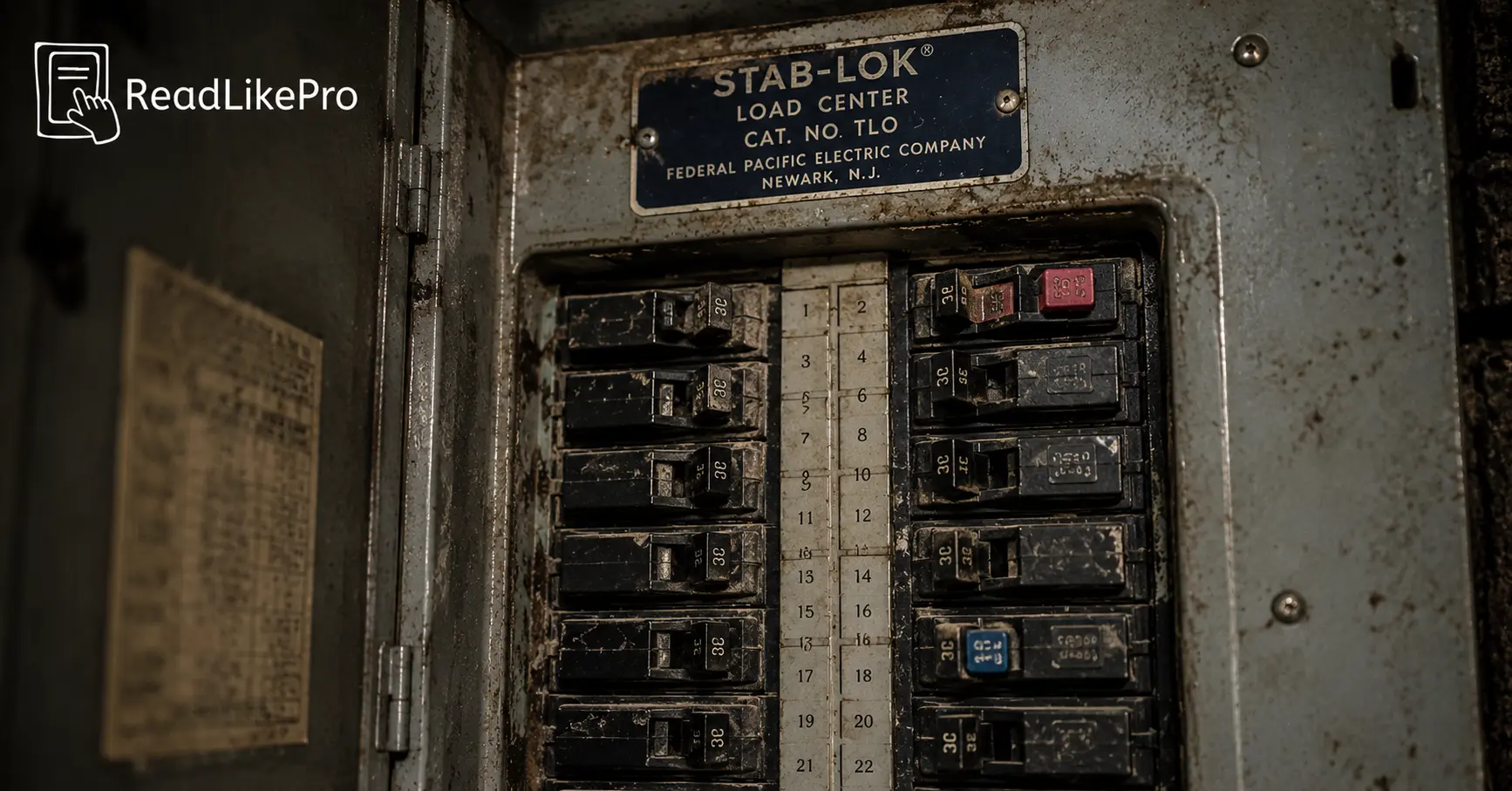
FPE panels were installed in millions of homes from the 1950s through the 1980s. The Stab-Lok circuit breakers inside them have a well-documented failure rate — in some testing, the breakers fail to trip during an overload or short circuit over 25 percent of the time. A breaker that doesn’t trip is a breaker that lets a fire start.
A New Jersey court found in 2005 that Federal Pacific misrepresented the safety performance of these panels. Many insurance carriers are reluctant to write new homeowner policies on homes with FPE panels, and some decline outright. If you have one, most electricians and insurers recommend replacing it sooner rather than later.
Zinsco (also sold as GTE-Sylvania)
Zinsco panels have a similar problem but with a different failure mechanism. The aluminum bus bars corrode and expand over time, causing breakers to weld themselves to the bus bar. A breaker melted in place can’t trip. The panel can run hot — sometimes burning while appearing to function normally. Many insurance companies have become increasingly reluctant to cover homes with Zinsco panels, and a significant number decline coverage altogether.
Challenger
Less universally flagged than FPE or Zinsco, but still on the watch list for many carriers. Some insurers require additional inspection before writing coverage; others decline outright.
If you’re not sure what brand your panel is, look for a label on the inside of the door. Here’s a quick reference for the most commonly flagged brands:
| Panel Brand | Also Labeled As | Common Issue | Typical Insurance Stance |
|---|---|---|---|
| Federal Pacific Electric | FPE, Stab-Lok | Breakers may fail to trip during overload | Many carriers decline new policies |
| Zinsco | GTE-Sylvania | Bus bars corrode; breakers can weld in place | Many carriers restrict or decline coverage |
| Challenger | Challenger | Overheating risk as panels age | Some carriers require inspection before writing coverage |
| Pushmatic | Pushmatic | No main breaker; stiff mechanism over time | Varies by carrier; often flagged during inspection |
If you see any of those names, a licensed electrician can assess whether replacement is needed.
Replacing an FPE or Zinsco panel typically runs $2,500 to $5,000 for a standard 200-amp installation, including permits. It also opens your home back up to more competitive insurance options and significantly reduces documented fire risk.
Signs Your Current Panel Needs to Go
Some of these are obvious. Others aren’t. Here’s a quick reference before we go deeper:
| Warning Sign | What It Usually Means |
|---|---|
| Breakers tripping repeatedly | Circuit or panel at capacity |
| Lights dim when appliances start | Insufficient load distribution |
| Panel feels warm to the touch | Possible overload or bad connection |
| Burning smell near the panel | Needs same-day electrician visit |
| Home over 40 years old, original wiring | Panel likely undersized for modern loads |
| Running EV charger, heat pump, or solar | May exceed current panel capacity |
| Fuse box still in place | Not designed for modern electrical demand |
Breakers that keep tripping. A breaker trips occasionally — that’s normal. A breaker that trips weekly on the same circuit is telling you that circuit is overloaded. A panel that trips multiple circuits regularly means the panel itself is at capacity.
Lights dimming when appliances kick on. If your lights dim noticeably when the dryer or AC starts, your panel is struggling to distribute load evenly. That’s a voltage fluctuation caused by inadequate capacity.
The panel feels warm or smells like burning. Electrical panels don’t generate heat under normal operation. Warmth — especially near specific breakers — indicates a bad connection or overload. A burning smell warrants a call to a licensed electrician the same day — don’t leave it.
You’re running on extension cords everywhere. Not a panel problem directly, but a sign your circuits aren’t distributed correctly. More circuits mean more room in the panel.
Your home is more than 40 years old with original wiring. The panel may still be functional, but at some point the combination of age, increased load, and code drift means a proactive upgrade is cheaper than waiting for a problem.
You’re adding an EV charger, solar, or a heat pump. EV chargers on a 240V Level 2 setup pull 30 to 50 amps continuously. A heat pump system can add similar load. A solar system may require its own interconnection capacity. Any of these on a 100-amp panel is going to create problems.
You have a fuse box instead of a circuit breaker panel. Fuse boxes aren’t inherently unsafe, but they weren’t built for modern electrical loads, they require replacement fuses after every blown circuit, and most insurance companies treat them the same way they treat recalled panels. Replacing a fuse box with a modern circuit breaker panel runs $2,000 to $5,500, per Fixr’s electrical panel replacement cost guide.
EV Chargers and Panel Upgrades: What You Actually Need to Know
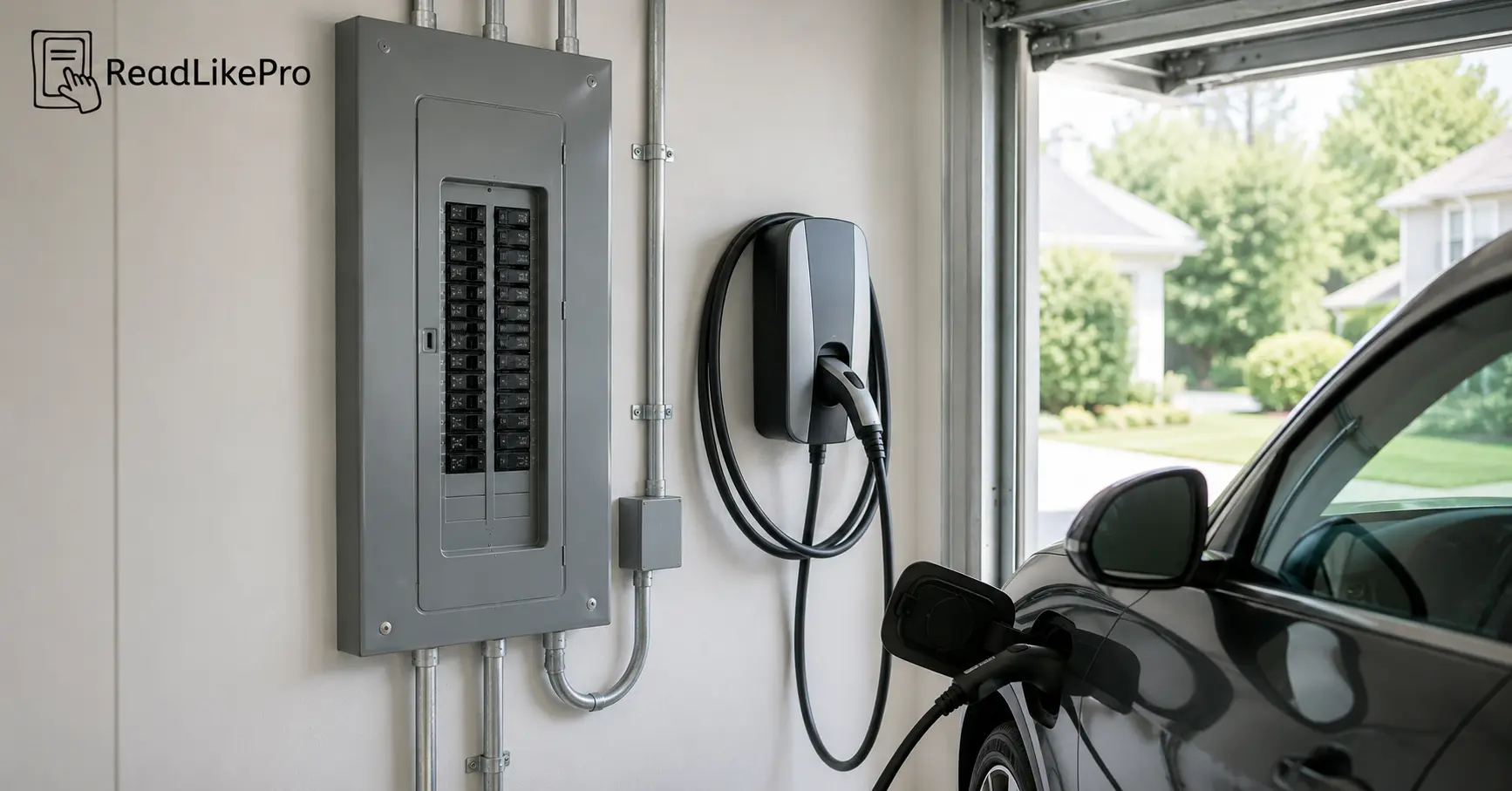
This is one of the most common reasons homeowners research panel upgrades right now. The short version: you might not need a full panel upgrade to add an EV charger.
A Level 2 home charger (240V, 30-50 amp circuit) adds meaningful load, but if your panel has available breaker slots and capacity headroom, an electrician can often run a dedicated circuit without replacing the whole panel. Have them do a load calculation first — it takes about an hour and tells you exactly where your panel stands.
If your panel is already at capacity or you have a 100-amp service, then yes — an EV charger is the trigger for an upgrade you probably needed anyway. Use our electrical cost calculator to estimate what adding a dedicated EV circuit costs in your area versus a full panel upgrade.
One important note for 2026: The federal tax credit for EV charger installation (Section 30C) expires June 30, 2026. It covers 30 percent of hardware and installation costs, capped at $1,000 for residential installs. If you’re planning to add an EV charger anyway, doing it before the deadline could save you real money. File IRS Form 8911 to claim it.
The separate 25C energy efficiency tax credit that covered up to $600 for electrical panel upgrades tied to energy-efficient equipment expired on December 31, 2025, per ENERGY STAR’s electric panel upgrade tax credit page. If you completed a qualifying upgrade in 2025, you can still claim it on your 2025 return using Form 5695. New panel work done in 2026 does not qualify under current IRS guidance.
How to Get a Legitimate Quote (and Spot a Bad One)
Get at least three quotes from licensed, insured electricians. That’s not a formality — panel upgrade pricing varies significantly between contractors even in the same zip code.
When the electrician comes out, they should:
- Inspect the existing panel and service entrance before quoting
- Ask about your intended future use (EV charger? Solar? Renovations planned?)
- Do or recommend a load calculation if you’re borderline on capacity
- Provide a written, itemized quote — not a ballpark
Ask specifically what the quote includes: panel hardware, labor, permits, inspection, any grounding updates, and what happens if they open the wall and find something unexpected. That last point matters. A reputable electrician will explain their change-order process before starting, not after.
Watch out for quotes that:
- Don’t include permit fees (permits are legally required — this is a red flag)
- Don’t mention inspection
- Are dramatically lower than every other quote without explanation
- Come from someone who suggests you don’t need a permit for this kind of work
What About Smart Panels?
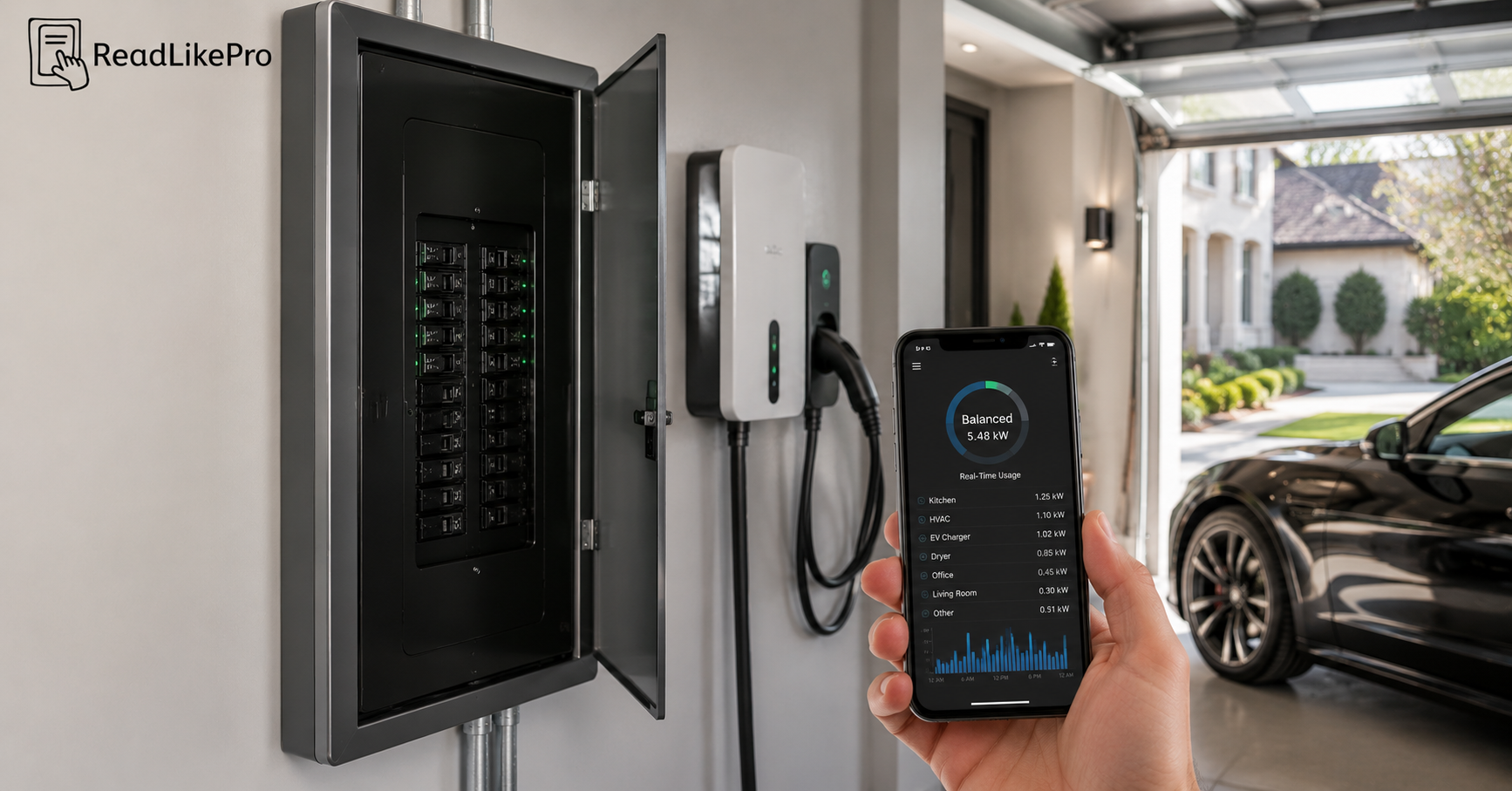
Smart panels — like those from Span, Leviton, or Schneider — are circuit breaker panels with built-in load monitoring, circuit-level control via smartphone app, and built-in compatibility with solar, battery backup, and EV charging.
| Feature | Standard 200A Panel | Smart Panel (Span, Leviton, Schneider) |
|---|---|---|
| Installed cost | $1,800 – $4,500 | $4,000 – $8,000 |
| Circuit-level monitoring | No | Yes — via app |
| Solar/battery integration | Requires separate equipment | Built-in |
| EV charger management | Manual | App-controlled load balancing |
| Best for | Safety or capacity upgrades | Full electrification projects |
For most homeowners doing a standard safety or capacity upgrade, a traditional panel is still the practical choice. Smart panels make the most sense when you’re combining solar, battery backup, and EV charging in one project.
FAQ: Real Questions People Ask
How long does an electrical panel upgrade take?
Most standard upgrades take 4 to 8 hours. Complex jobs involving panel relocation, significant rewiring, or utility coordination can take one to three days. The utility reconnection portion — if required — may add weeks to the overall project timeline, though the electrician’s work itself is usually done in a day.
Can I upgrade my electrical panel myself?
No. Electrical panel work requires a licensed electrician in virtually all US states. Beyond the licensing requirement, the panel connects directly to the utility service line, which remains energized even when your main breaker is off. This is not a job for a confident DIYer. Unpermitted panel work can also void your homeowner’s insurance.
Does the cost to upgrade an electrical panel pay off in home value?
Indirectly, yes. A modern 200-amp panel makes your home more insurable, more marketable, and eliminates a common inspection flag that can kill a home sale. Buyers looking at older homes actively check for updated electrical systems. Whether it increases appraised value dollar-for-dollar is debatable — but it removes a significant obstacle to selling.
How do I know if I have an FPE or Zinsco panel?
Open the panel door (the outer cover, not the inner breaker door) and look for a brand name or model label. Federal Pacific panels are labeled “FPE” or “Federal Pacific” and have breakers labeled “Stab-Lok.” Zinsco panels typically show colorful breakers in vertical rows and may be labeled “Zinsco,” “Sylvania,” or “GTE-Sylvania.”
Does my insurance company actually check my panel?
Yes — especially in older homes and when you’re getting new coverage or renewing. Four-point inspections (common in Florida and other markets) specifically cover the roof, plumbing, HVAC, and electrical system including panel brand and condition. If your panel is flagged, carriers either deny coverage, require immediate replacement, or significantly increase your premium.
Can I add a subpanel instead of upgrading the main panel?
Sometimes. If your main panel has adequate service capacity but is out of breaker slots, a subpanel can add more circuits without a full service upgrade. A subpanel typically costs $1,500 to $3,500 installed. An electrician needs to evaluate whether your main panel has the capacity to support a subpanel — if it doesn’t, you’re back to the full upgrade.
What’s the difference between a panel upgrade and a service upgrade?
A panel upgrade replaces the breaker box. A service upgrade involves changing the actual electrical service coming into your home — upgrading the service entrance cable, possibly requesting a larger transformer from the utility company, and replacing the meter base. Service upgrades cost significantly more and take longer due to utility coordination. Not every panel upgrade requires a service upgrade; an electrician’s inspection tells you which you actually need.

Baldeep builds and researches content sites full time. For ReadLikePro he
compiles home service pricing from contractor quotes, industry cost surveys,
and public data, then checks the numbers against more than one source before
publishing. He isn’t a licensed contractor, so every estimate here is a
research-backed range, not a quote for your specific job.



[…] against a modern expectation of 200 amps. A rewire usually forces the upgrade. See our breakdown of electrical panel upgrade cost for current […]