

You wake up with a line of itchy red welts on your arm. You pull back the sheets, check the mattress seam, and there it is: a tiny reddish-brown bug about the size of an apple seed. That sinking feeling? Completely normal. And it’s usually followed by panic, which is when people start doing expensive, useless things.
So before you buy a fogger or drag your mattress to the curb, take a breath. Here’s how to get rid of bed bugs fast — though “fast” means days to a few weeks of focused work, not one magic spray. For this guide, I went through the EPA’s treatment guidelines, Rutgers and University of Minnesota entomology research, and pest industry best practices to separate what really kills bed bugs from what just sounds like it should. Every claim here is sourced, and the sources are linked.
One thing worth saying upfront, because it stops people from dealing with the problem: bed bugs are not a cleanliness issue. The CDC notes that bed bug infestations happen in five-star hotels just as often as anywhere else. They hitchhike on luggage, used furniture, and clothing. Anyone can get them.
First, What Are You Actually Dealing With?
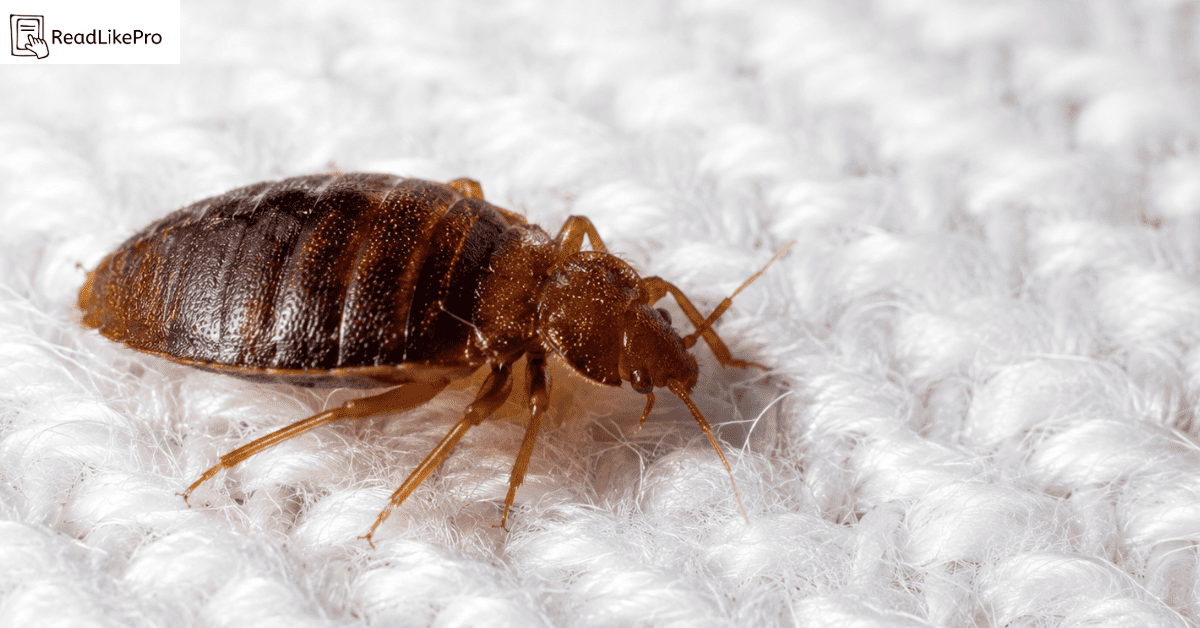
Before you treat anything, confirm it’s actually bed bugs. University of Minnesota research found that a huge share of suspected samples turn out to be something else entirely: carpet beetles, bat bugs, even lint.
Signs of a bed bug infestation:
- Live bugs — flat, oval, reddish-brown, about 1/4 inch long (apple seed size). Rounder and darker after feeding.
- Rusty or dark stains on sheets and mattress seams — crushed bugs or their droppings.
- Tiny white eggs and pale shed skins in mattress seams, box spring corners, and bed frame joints.
- Bites in a line or cluster, usually on skin exposed while sleeping — arms, neck, legs. Bed bug bites look like itchy red welts, similar to mosquito bites.
- A musty, sweet odor in heavier infestations.
Check the mattress seams first, then the box spring, bed frame joints, headboard, and the cracks in baseboards near the bed. Bed bugs stay close to where you sleep because that’s where the food is. Sorry, but that food is you.
If you find them, don’t drag the mattress out to the curb. Moving infested items through the house spreads the bugs to other rooms, and throwing furniture away rarely solves the problem anyway. The bugs living in your baseboards will just relocate.
How to Get Rid of Bed Bugs Fast — Step by Step
This is an integrated approach, the same IPM (integrated pest management) method the EPA recommends, combining heat, physical removal, and targeted treatments. No single step kills every bug and every egg. Together, they do.
Here’s how the main treatment methods stack up before we get into the steps:
| Treatment Method | Typical Cost | Speed | Kills Eggs? | Best For |
|---|---|---|---|---|
| Hot wash + dryer (122°F+, 20 min) | Free (your laundry) | Same day | Yes | Bedding, clothing, fabric items |
| Freezing (0°F, 4 days) | Free (your freezer) | 4 days | Yes | Books, shoes, electronics, delicates |
| Steam cleaning (212°F) | $75–300 for a steamer | Kills on contact | Yes | Mattress seams, sofas, bed frames, baseboards |
| Vacuuming | Free | Immediate, partial | No | Visible bugs, reducing numbers fast |
| Mattress encasements | $20–50 per piece | Traps and starves over months | Traps them | Long-term protection, sealing the bed |
| Interceptor traps | $2–5 per trap | Ongoing | No (blocks adults) | Monitoring + cutting off access to the bed |
| EPA-registered desiccant dust | $10–25 | Slow (days to weeks) | No | Backup layer in cracks and crevices |
| Professional heat treatment | $1,500–5,000 whole home | 1 day | Yes | Multi-room or stubborn infestations |
Notice the pattern? The methods that kill eggs all involve heat or cold. That’s why they anchor the plan below, and everything else plays a supporting role.
Step 1: Contain the Infestation
Strip the bed and bag everything — sheets, pillowcases, duvet covers, mattress protectors — in sealed plastic bags before carrying them anywhere. This matters more than people think. Loose bedding carried through the hallway is how a one-room problem becomes a whole-house problem.
Bag up clothing from nearby dressers and closets too, plus anything fabric within a few feet of the bed. Keep the bags sealed until each one goes straight into the washer.
Step 2: Wash and Dry on High Heat
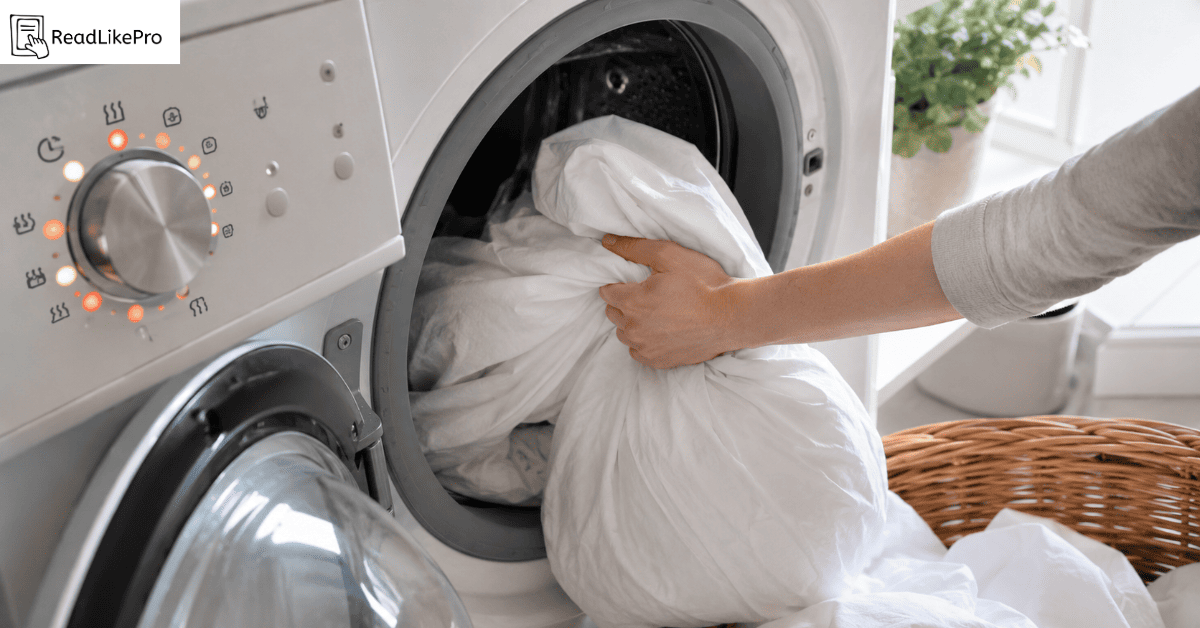
Heat is the most reliable bed bug killer you own, and it’s already sitting in your laundry room. Wash everything in hot water, then run it through the dryer on the highest setting for at least 30 minutes. Research from the University of Minnesota Extension confirms that temperatures above 122°F for 20 minutes kill all life stages: adults, nymphs, and eggs.
Items that can’t be washed (shoes, stuffed toys, backpacks) can go in the dryer alone on high heat. Don’t overstuff the drum. The heat needs to reach everything.
For delicate items that can’t handle heat, freezing works too. Seal them in a plastic bag and leave them in a 0°F freezer for at least four days. Rutgers University research confirms four days at standard freezer temperature is enough for small items like books, shoes, and electronics.
Step 3: Vacuum Everything, Then Vacuum Again
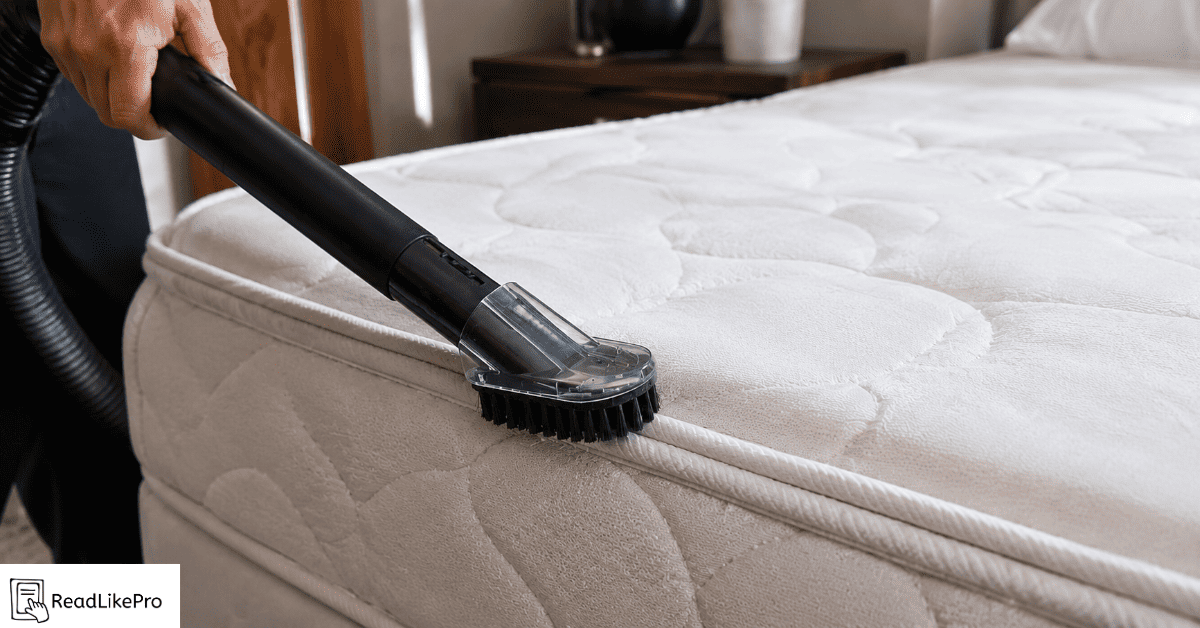
Vacuum the mattress seams, box spring, bed frame, baseboards, carpet edges, and any cracks near the bed. Use the crevice attachment and go slowly, because bed bugs grip fabric surprisingly well.
Here’s the part almost everyone gets wrong: they vacuum, feel productive, and leave the bag sitting in the vacuum. Bed bugs survive inside vacuum bags. The EPA specifically warns about this. Every single time you vacuum, seal the bag (or empty the canister into a sealed bag) and take it straight to an outdoor trash can.
Vacuuming won’t get eggs cemented into seams, which is why the next step exists.
Step 4: Steam Treat Cracks, Seams, and Furniture
A steam cleaner is the closest thing to a professional heat treatment you can do yourself. Steam at around 212°F kills bed bugs and eggs on contact. Rutgers testing found both consumer-grade and professional steamers work, and a basic handheld unit costs around $75.
Move the steamer head slowly along mattress seams, sofa seams, bed frame joints, baseboards, and carpet edges. Slow is the whole trick: about one inch per second. If the airflow is strong, drape a towel over the steamer head so you don’t blow bugs deeper into hiding.
Skip the hair dryer hack. It doesn’t hold heat long enough on any one spot to kill eggs.
Step 5: Install Mattress Encasements and Interceptor Traps
Two cheap tools do a lot of heavy lifting here.
Mattress and box spring encasements are zippered covers that seal completely. Any bugs trapped inside starve and die, and no new bugs can get into the seams. Leave encasements on for at least a year. Bed bugs can survive many months without feeding, so don’t unzip early. A decent fabric encasement runs $20–50 per piece.
Bed bug interceptor traps go under each bed leg. Bugs trying to climb up fall into the smooth-walled cup and can’t get out. In Rutgers field studies, interceptor traps detected 95% of infestations during building-wide inspections, making them both a defense and your monitoring system. Pull the bed a few inches from the wall and keep bedding off the floor so the legs are the only route up.
Step 6: Apply an EPA-Registered Desiccant Dust (Read This Part Carefully)
Here’s a correction to advice you’ll see on almost every bed bug blog: most of them tell you to use food-grade diatomaceous earth. The EPA actually says the opposite. Per the EPA’s DIY bed bug guidance, pool-grade and food-grade diatomaceous earth should not be used for bed bug control. Both carry a higher inhalation risk, and the pesticide version uses a different diatom size that reduces the hazard.
So what should you use? Look for a desiccant dust that’s EPA-registered with bed bugs listed on the label. Silica-based dusts like CimeXa are EPA-registered and, in university testing, work considerably faster than diatomaceous earth. The EPA lists over 300 registered products for bed bug control, so checking the label takes seconds.
Application matters as much as the product. Keep it to cracks and crevices only: a thin, barely visible layer along baseboards, bed frame joints, and behind outlet covers. Not the thick white carpet of powder you see in photos online. Too much and bed bugs simply walk around it.
And one honest note: desiccant dust is slow, and research covered by Pest Control Technology found it doesn’t hold up as a standalone treatment. Treat it as a backup layer that keeps working between your steam and vacuum sessions, not the main event.
Step 7: Monitor for at Least a Few Weeks
Bed bug eggs hatch in about 6 to 10 days, so a treatment that looks successful on day three can produce new bugs on day ten. Check your interceptor traps every few days. Inspect mattress seams weekly. Re-steam and re-vacuum if you find anything.
The EPA recommends continuing to check periodically for up to a year after treatment. That sounds excessive until you’ve been through a re-infestation. A few minutes of checking beats starting this whole process over.
Home Remedies for Bed Bugs — An Honest Take on What’s Worth Trying
Search “home remedies for bed bugs” and you’ll find a lot of confident advice. Most of it doesn’t survive contact with actual research. Here’s the honest breakdown:
Worth using:
- Heat (washer/dryer, steam) — genuinely the best DIY weapon you have. Covered above.
- Freezing — works for small items, four days minimum at 0°F.
- Rubbing alcohol — kills bugs it directly touches, but that’s the catch. It does nothing for hidden bugs or eggs, evaporates fast, and it’s flammable. Contact killer only, not a treatment.
Skip these:
- Baking soda and talcum powder — no scientific evidence they dehydrate bed bugs. The particles aren’t sharp enough to damage the exoskeleton.
- Essential oils (tea tree, lavender, peppermint) — mild repellent effect at best, and bugs just route around scented areas to reach you.
- Dryer sheets under the mattress — no evidence at all.
- Mothballs — tested and failed. Eggs and nymphs survive.
- Bug bombs / foggers — actively counterproductive. The EPA warns the mist never reaches the cracks where bed bugs hide, and improper use can be a fire hazard. Worse, foggers scatter bugs deeper into walls, which makes every later treatment harder.
The pattern is simple: anything relying on scent or surface contact fails, because bed bugs spend most of their lives hidden. Heat and physical removal win.
When to Call a Professional Bed Bug Exterminator
DIY treatment works for infestations you catch early: one room, bugs concentrated around the bed. Call a professional if:
- You’re still finding bugs after 3–4 weeks of consistent treatment
- The infestation has spread to multiple rooms or upholstered furniture
- You live in an apartment or attached housing (bugs travel through walls, and your neighbor’s untreated unit will keep reinfesting yours)
- You physically can’t do the labor (this process is more work than most people expect)
Professional bed bug treatment costs more than a standard pest visit, and that’s where sticker shock hits. Chemical treatments typically run a few hundred dollars per room across multiple visits, while whole-home heat treatment (the fastest option, usually done in a single day) generally lands between $1,500 and $5,000 depending on home size and severity.
Quotes vary a lot, so it helps to walk in knowing what a fair number looks like. Before you start calling companies, run your details through our pest control cost calculator. It gives you a realistic range based on your home size, infestation severity, and treatment type. Takes about thirty seconds, no email required. Then get two or three quotes and compare them against that range.
When you’re vetting companies, ask how they handle bed bugs specifically. A good operator will describe an inspection-first, multi-visit IPM approach. Anyone guaranteeing elimination in one visit with a “special chemical” is a red flag. The National Pest Management Association’s best practices treat bed bug work as a process, not a one-shot spray.
Mistakes That Make Bed Bugs Worse
A few things people do in panic mode that backfire:
- Sleeping in another room. The bugs follow the carbon dioxide. Now two rooms are infested. Keep sleeping in the treated bed with encasements and interceptors installed. You’re the bait that keeps them where you can kill them.
- Throwing out the mattress immediately. You lose $800 and keep the infestation, because the bugs in your baseboards and frame stay behind.
- Using foggers. Covered above. They scatter bugs and make professional treatment harder and more expensive.
- Spraying random insecticides. Many bed bug populations are resistant to common pyrethroids. If you use a spray, it must be EPA-registered with bed bugs on the label, applied exactly per the label.
- Stopping treatment too early. Ten quiet days isn’t victory. Eggs hatch on their own schedule, not yours.
How to Prevent Bed Bugs from Coming Back
After treatment, prevention is mostly about travel habits and secondhand items:
- Inspect hotel rooms before unpacking: mattress seams, headboard, the luggage rack. Keep your suitcase off the bed and floor.
- Heat-treat travel clothes when you get home. Straight from suitcase to dryer, high heat, 30 minutes.
- Be careful with used furniture. Curbside upholstered furniture is the classic infestation source. Inspect anything secondhand thoroughly before it enters your home.
- Keep encasements and interceptors on for a full year. They’re your early-warning system.
- Reduce clutter near the bed. Fewer hiding places, easier inspections.
FAQ
How fast can you get rid of bed bugs? With aggressive DIY treatment, a small infestation can be under control in 2–4 weeks. Professional whole-home heat treatment can eliminate an infestation in a single day, which is why it costs what it costs. Either way, keep monitoring for several weeks after the last sighting.
Can bed bugs go away on their own? No. Bed bugs can survive months without a blood meal, so waiting them out isn’t realistic. An untreated infestation only grows; one female can lay 200+ eggs in her lifetime.
What kills bed bugs instantly? Direct heat above 122°F and steam at 212°F kill bed bugs and eggs on contact. Rubbing alcohol kills bugs it directly touches. Nothing kills the hidden ones instantly, which is why treatment is a process.
Do bed bugs spread disease? No. Health agencies including the CDC confirm bed bugs are not known to transmit disease to humans. The risks are itchy bites, secondary infection from scratching, and lost sleep, which is misery enough.
Should I throw away my mattress? Almost never. Encasing the mattress is cheaper and more effective than replacing it, because replacement doesn’t touch the bugs living in the frame, baseboards, and walls. If you do discard infested furniture, damage it and mark it “BED BUGS” so nobody else carries the problem home.
How much does a bed bug exterminator cost? Typically $300–$500 per room for chemical treatment across multiple visits, or $1,500–$5,000 for whole-home heat treatment. Use our pest control cost calculator to get a range for your specific situation before requesting quotes.
Sources: EPA — Do-It-Yourself Bed Bug Control · EPA — Pesticides to Control Bed Bugs · CDC — About Bed Bugs · Rutgers NJAES FS1251 — Cost-Effective Bed Bug Control Methods · University of Minnesota Extension — Bed Bugs · NPMA — Bed Bug Best Management Practices

Baldeep builds and researches content sites full time. For ReadLikePro he
compiles home service pricing from contractor quotes, industry cost surveys,
and public data, then checks the numbers against more than one source before
publishing. He isn’t a licensed contractor, so every estimate here is a
research-backed range, not a quote for your specific job.



[…] staring down a $1,500–$5,000 whole-home heat treatment. That swing is why it pays to know how to get rid of bed bugs fast the moment you spot […]