
How to Grow a Small Business Online in the USA: Proven Strategies That Actually Work
Picture this: Sarah runs a small cleaning business in Austin, Texas. She was relying entirely on word of mouth phone calls from friends of friends, the occasional flyer on a community board. Business was okay, but growth felt impossible. Then a friend told her to try Google. Within six months of building a proper online presence, Sarah was booking three times the clients. She hadn’t spent a fortune. She had simply learned how to grow a small business online the right way.
Sarah’s story is not unique. Across the United States, millions of small business owners are discovering that the internet is the single most powerful tool available to them and most of it is free or low cost. According to the U.S. Small Business Administration, there are over 33 million small businesses in America. The ones growing fastest have one thing in common: a strong digital presence backed by a consistent online growth strategy.
This guide walks you through every proven strategy step by step so you can build that same momentum for your business, no matter what industry you are in.
Why Growing a Small Business Online in the USA Is a Completely Different Game Now
Five years ago, having a Facebook page was enough. Today, American consumers expect more. They Google your business before they call you. They read your reviews before they walk through your door. They judge your credibility by how your website looks on their phone.
The digital landscape has shifted dramatically. Searches for local services have grown year over year, and mobile searches now account for more than half of all online traffic in the US. This means if your business is not visible online and looking good when people find it you are losing customers every single day without even knowing it.
The good news? You do not need a big marketing budget to compete. What you need is the right strategy, applied consistently. Let us break that down.
Step 1: Build a Website That Works Like Your Best Sales Representative
Think of your website as your 24/7 sales rep. It never sleeps, never takes a day off, and is always the first impression you make on a new customer. Yet most small business websites in the US are outdated, slow, or missing basic information. That is a problem.
What Every US Small Business Website Must Have
A high-performing small business website should include:
- A clear description of what you do and who you serve
- Your location, phone number, and hours visible without scrolling
- Real customer testimonials or case studies
- A mobile-friendly, fast-loading design
- A simple call to action on every page (call now, get a quote, book online)
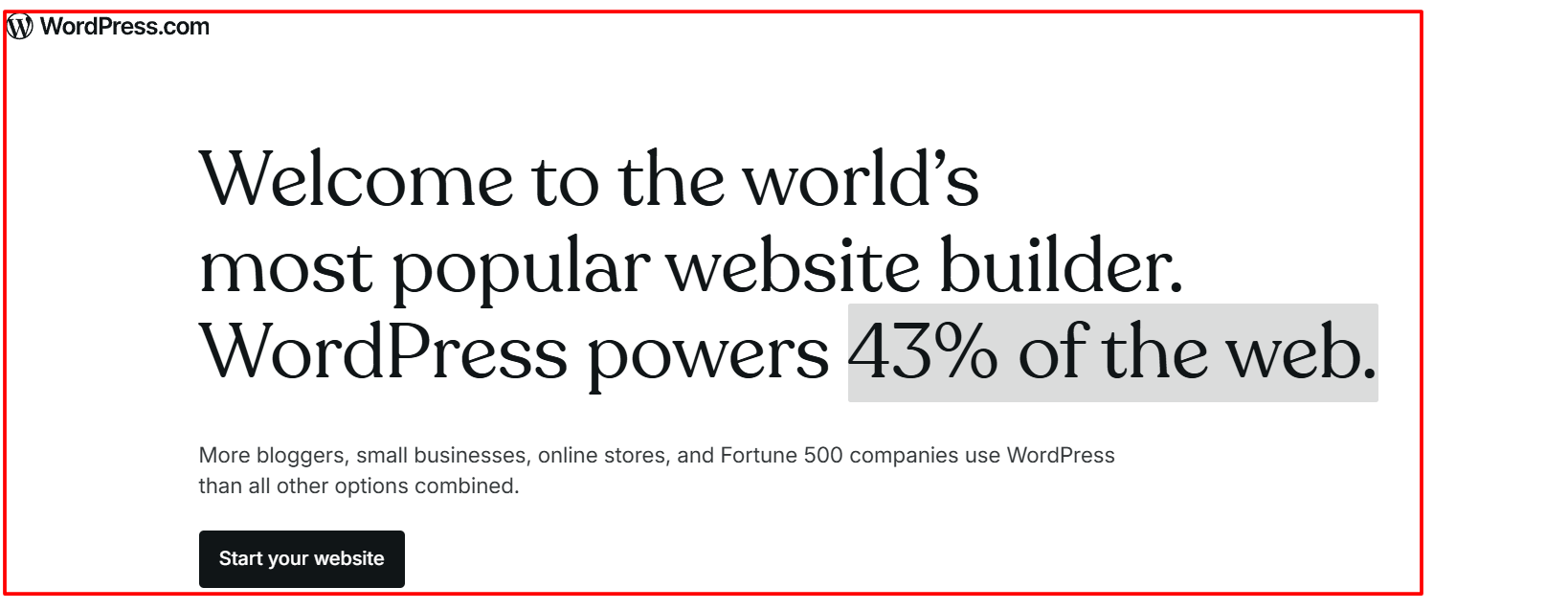
Platforms like Shopify, Squarespace, or WordPress make it possible for small business owners to build professional sites without coding knowledge. For deeper guidance on website strategy, the HubSpot Blog consistently publishes research-backed advice on converting website visitors into actual paying customers.
One thing most business owners overlook: page speed. Google uses page speed as a ranking factor, and US consumers will abandon a page that takes more than three seconds to load. Check your speed using Google PageSpeed Insights and fix any issues flagged there.
Step 2: Claim Your Google Business Profile and Make It Work
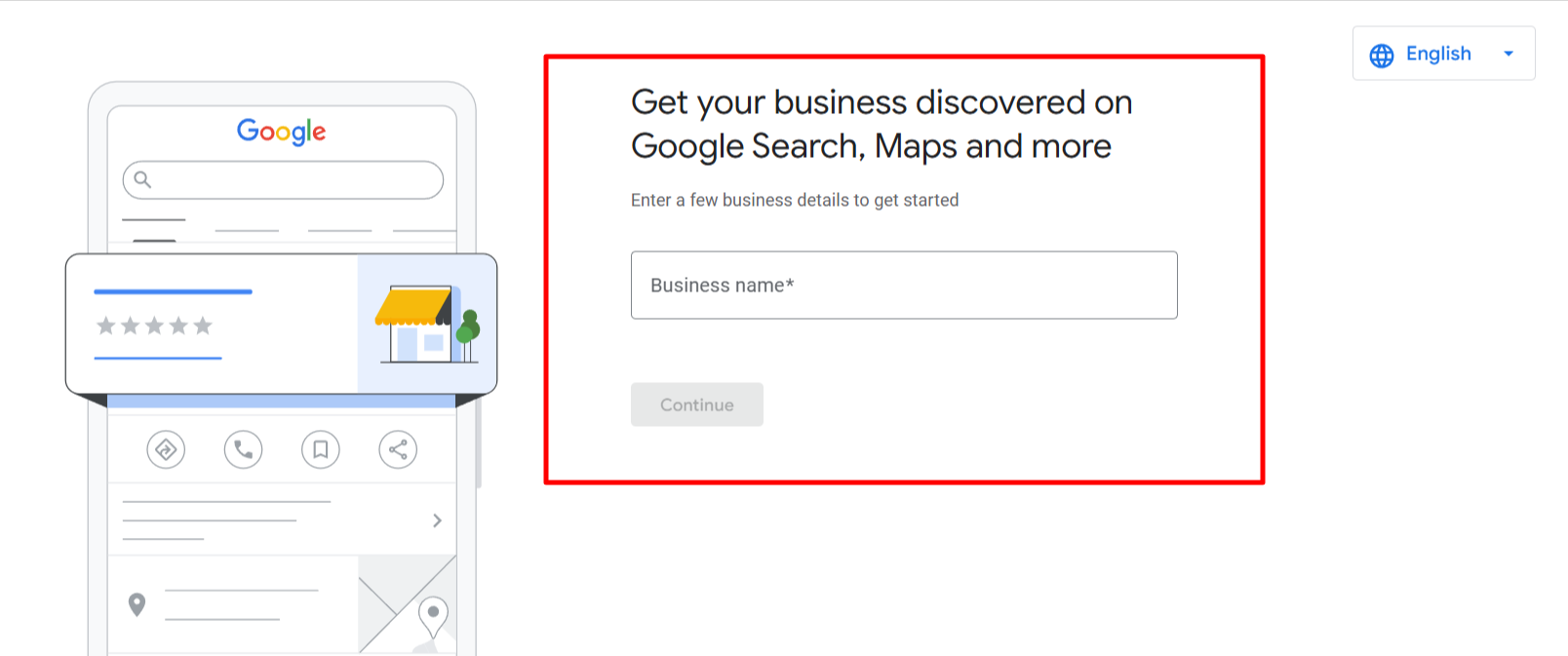
If there is one single thing every US small business owner should do today, it is this: claim and fully optimize their Google Business Profile. This is the listing that appears when someone searches for your business or service type on Google Maps and in local search results.
When a plumber in Denver, a landscaper in Nashville, or a cleaning service in Houston shows up in the top three local results on Google that is Google Business Profile doing its job. It is free, and it is one of the highest-return actions you can take for local visibility.
Here is what a fully optimized profile looks like:
- Business name, address, and phone number exactly matching your website
- Primary and secondary business categories correctly selected
- At least 10 recent photos of your work, team, or location
- Regular Google Posts (updates, offers, announcements)
- Responses to every single review positive and negative
Businesses with complete profiles are significantly more likely to get calls and direction requests. Do not treat this as optional.
Step 3 Use Local SEO to Show Up When American Customers Search
Local SEO is the process of optimizing your online presence so Google shows your business to people in your area who are searching for what you offer. For a small business targeting US customers, local SEO is arguably more valuable than any paid advertising you could run.
Simple Local SEO Strategies That Deliver Real Results
Start with your website. Every page should mention your city or service area naturally not stuffed in unnaturally, but woven into the content. If you run a pest control company in Phoenix, Arizona, your homepage should mention Phoenix, the surrounding neighborhoods you serve, and the specific services available there.
Next, build local citations. A citation is any online mention of your business name, address, and phone number on directories like Yelp, the Better Business Bureau, Angi, HomeAdvisor, and more. Moz’s Local SEO Guide is one of the best free resources for understanding how citations impact your rankings in US local search.
Consistency is critical. If your address appears differently on different sites even something as small as ‘St.’ versus ‘Street’ it can confuse Google and hurt your local rankings. Audit your listings regularly.
Step 4 Content Marketing That Builds Authority and Attracts Organic Traffic
Here is something many small business owners in the US overlook: people do not just search for businesses they search for answers. ‘How much does it cost to remodel a kitchen in Chicago?’ ‘What kills mold on bathroom tiles?’ ‘How do I choose a financial advisor?’
If your business publishes content that answers these questions, you attract visitors who are already interested in exactly what you offer. That is the power of content marketing and it compounds over time.
What Type of Content Performs Best for US Small Businesses
- How-to guides and tutorials related to your service area
- Cost and pricing guides (‘How much does X cost in [City]?’)
- Comparison articles (‘Best options for X in the USA’)
- FAQs that answer the exact questions your customers ask
- Local guides and area-specific information
Digital marketing expert Neil Patel has extensively documented how small businesses that publish consistent, helpful content see compounding traffic growth over six to twelve months. The key word is consistent. One article every few months will not move the needle. Aim for at least two to four quality posts per month.
Focus on search intent. Write for the real question your potential customer typed into Google not a watered-down version of it.
Step 5 Use Social Media to Build Brand Recognition and Reach New Audiences
Social media is where Americans spend a significant portion of their time online. As a small business, you do not need to be on every platform you need to be on the right ones.
For most service-based US small businesses, Facebook and Instagram offer the highest return because of their large, local user base and strong visual storytelling capabilities. LinkedIn is valuable if your business serves other businesses. TikTok is increasingly relevant for reaching younger audiences, especially in home services, food, and lifestyle categories.
The businesses that win on social media are not the ones posting the most they are the ones posting with purpose. Before and after photos, customer success stories, behind-the-scenes glimpses of your work, local community involvement this type of content builds trust far better than promotional posts ever will.
Set a manageable schedule: three to four posts per week on your primary platform. Engage with every comment and message. Over time, this consistency builds brand recognition that translates directly into customer inquiries.
Step 6 Email Marketing: The Most Underrated Growth Tool for Small Businesses
Every time a customer gives you their email address, they are handing you a direct line to their inbox no algorithm, no ad spend required. Email marketing consistently delivers the highest return on investment of any digital channel, yet most small business owners in the US barely use it.
Tools like Mailchimp offer free plans that are more than sufficient for small businesses just getting started. A simple monthly newsletter with helpful tips, a seasonal promotion, and a customer spotlight can keep your business top of mind without being pushy.
Build your list every chance you get: at checkout, on your website with a lead magnet (a free guide, a checklist, a discount), on social media. Even a list of 500 engaged subscribers can drive consistent revenue for a local business.
Step 7 Online Reviews Are Your Most Powerful Sales Tool
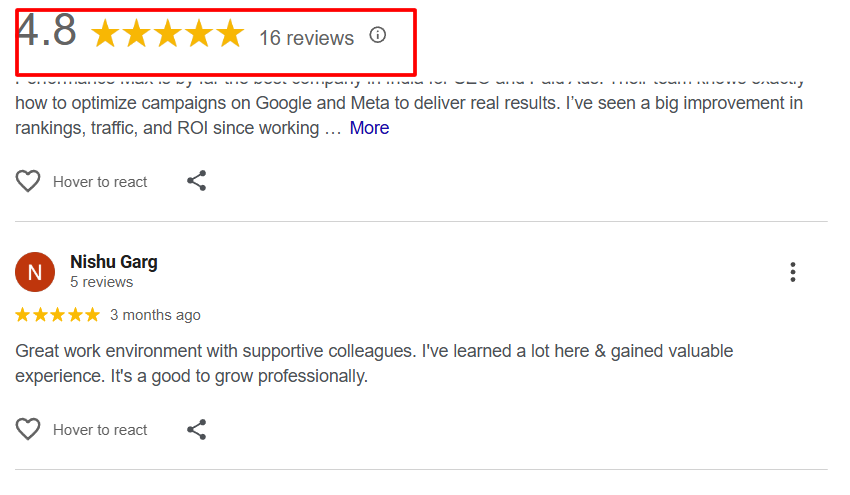
Think about the last time you chose a new restaurant, hired a plumber, or booked a service. You probably checked the reviews. So do your potential customers and research consistently shows that the vast majority of US consumers trust online reviews as much as personal recommendations.
According to Forbes Advisor, businesses with consistently positive reviews not only rank higher in local search results but also convert at significantly higher rates. A business with 4.8 stars and 200 reviews will win over a competitor with 4.2 stars and 12 reviews almost every time.
The strategy is straightforward: ask every satisfied customer for a review. Text them a direct link to your Google review page right after completing a job. Most happy customers are willing to leave a review they just never think to do it unless prompted.
Respond to every review. Thank the positive ones by name and address any issues raised in negative reviews calmly and professionally. This shows prospective customers that you take quality seriously.
- List your business on Yelp, BBB, and industry-specific directories
- Respond to all reviews within 24 hours
- Never buy fake reviews Google penalizes this aggressively
Step 8 Use Paid Advertising Strategically to Accelerate Growth
Once your organic foundation is in place your website, Google Business Profile, local SEO, and content paid advertising can pour fuel on the fire. For US small businesses, Google Local Services Ads and Meta (Facebook/Instagram) ads are the most effective starting points.
Google Local Services Ads show your business at the very top of search results for local queries and charge you only when a customer calls or messages you directly. For home services, legal, financial, and healthcare businesses, this is often the most efficient paid channel available.
Meta ads allow incredibly granular targeting: you can reach homeowners within a five-mile radius of your location, in a specific income bracket, who have recently shown interest in home improvement. That level of precision is unmatched for local customer acquisition.
Start with a modest budget even $300 to $500 per month test two or three different ad creatives, and optimize based on what converts. Do not spend big until you know what works.
The Long Game: Why Consistency Separates Businesses That Grow From Those That Don’t
Every strategy in this guide works. But none of them work overnight, and none of them work if you implement them once and walk away. The small business owners in the US who are seeing the most dramatic online growth share one common trait: they show up consistently, every week, without fail.
They post on social media even when no one seems to be watching. They publish blog content even when the traffic is low at first. They ask for reviews even when it feels awkward. They send emails even when open rates fluctuate.
Here is the truth about digital growth: the results are always delayed. The content you publish today might rank six months from now. The reputation you build through reviews this quarter will influence next quarter’s bookings. You are planting seeds and the harvest comes to those who keep watering.
Focus on these four principles and you will not go wrong:
- Provide genuinely helpful information in everything you publish
- Build trust before asking for the sale
- Engage with your audience consistently not just when you want something
- Measure what works, double down on it, and cut what doesn’t
With the right strategies applied consistently, any small business in the USA can build a powerful online presence and achieve sustainable long-term growth.
Frequently Asked Questions
How long does it take to grow a small business online in the USA?
Most businesses start seeing measurable traction within three to six months of consistent effort assuming they are publishing content, optimizing their Google Business Profile, and actively building reviews. SEO and content results compound over time, so the longer you invest, the stronger the returns. Paid advertising can deliver results much faster, often within the first few weeks.
How can I grow my small business online without spending much money?
Start with the free channels: Google Business Profile, organic social media, content marketing on your blog, and email marketing via free tools like Mailchimp. These require time rather than money, and they build assets that compound over time. Once revenue grows, you can layer in paid advertising to accelerate results.
What is the most important online marketing strategy for a US small business?
Local SEO combined with a fully optimized Google Business Profile delivers the highest return for most service-based small businesses in the US. It puts your business in front of people who are actively searching for what you offer in your area and that intent makes them far more likely to convert than cold social media followers.
Why are online customer reviews so important for small businesses?
Reviews directly influence two things: your search rankings and your conversion rate. Google uses review quantity and quality as a local ranking factor, meaning more positive reviews help you appear higher in search results. They also build trust with prospective customers who are comparing their options before making a decision.
Is content marketing really worth the time for a small business?
Absolutely. Content marketing is one of the few digital strategies that delivers compounding returns over time. A well-written blog post targeting a local search query can drive consistent organic traffic for years without any additional investment. The key is to focus on answering the real questions your ideal customers are searching for, rather than writing generic content.