

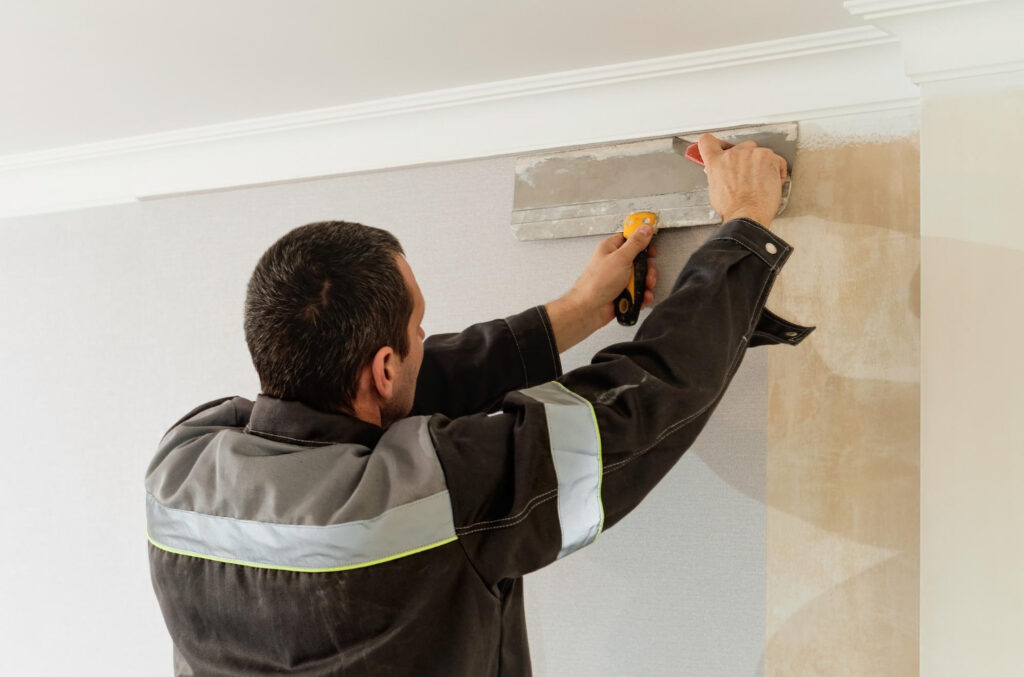
Drywall or Plaster? Here’s How to Tell in 5 minutes
If you’ve ever knocked on your wall and wondered what’s actually behind the paint, you’re not alone. Thousands of Pennsylvania homeowners, especially those in older homes across Berks, Lancaster, and Dauphin Counties, live with walls they’ve never fully understood.
Is it drywall? Is it plaster? Does it even matter?
It matters more than you might think. Knowing the difference between plaster and drywall affects how you repair damage, who you hire, how much you budget, and what results you can realistically expect.
This guide breaks it all down in plain terms – no contractor jargon, no confusing technical language. Just clear, honest information that helps you make smarter decisions about your walls.
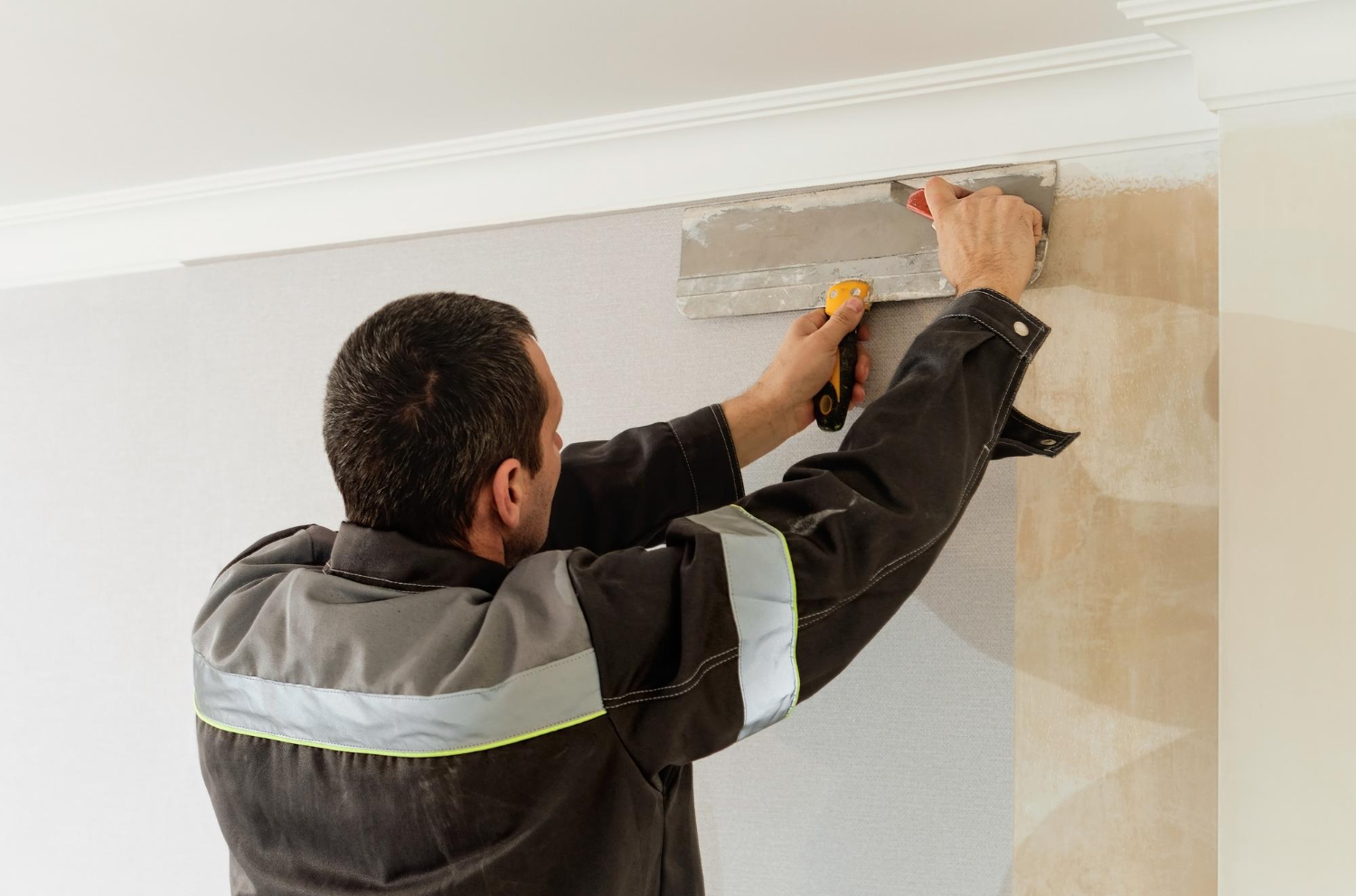
What Is Drywall?
Drywall – sometimes called sheetrock or gypsum board is the standard wall material used in most homes built after the 1950s. It consists of a gypsum plaster core sandwiched between two layers of paper.
Installation is straightforward. Contractors hang large sheets, tape the seams, apply joint compound, sand it smooth, and it’s ready to paint within a few days.
That simplicity is exactly why drywall became the go-to choice for builders across Pennsylvania and the rest of the country. It’s fast, relatively affordable, and easy to work with.
For homeowners in newer developments across Lancaster County, Dauphin County, and Lehigh County, drywall is almost certainly what you have.
What Is Plaster?
Plaster is the older of the two materials used in homes built before the 1950s and still found throughout historic Pennsylvania neighborhoods in Reading, Lancaster City, and Harrisburg.
Traditional plaster walls are built in multiple layers. A base coat of plaster is applied over wood or metal lath (a framework of thin strips), followed by additional coats that build up thickness and strength. The result is a wall that is denser, harder, and more soundproof than modern drywall.
Plaster walls feel solid when you knock on them. They don’t dent easily. And in many cases, they’ve been standing for 80, 90, or even 100+ years – a testament to their durability when properly maintained.
Drywall vs Plaster: How to Tell What You Have
This is the question most homeowners actually want answered. Here are the most reliable ways to tell the difference between plaster and drywall without calling a contractor.
1. The Knock Test
Knock firmly on your wall with your knuckles.
Drywall produces a hollow sound, almost like knocking on a door. You’ll feel a slight give.
Plaster sounds much more solid and dense. There’s no hollow echo. The wall feels hard and unyielding.
This is the fastest and most reliable first test.
2. Check the Age of Your Home
If your home was built before 1950, it almost certainly has plaster walls. Most Pennsylvania homes in historic neighborhoods particularly in Reading, Lancaster City, Pottsville, and older parts of Harrisburg were built during this era.
Homes built after 1960 almost always have drywall. Homes built between 1950 and 1960 could have either, or a mix of both.
3. The Thickness Test
Find a spot where you can check wall thickness around an electrical outlet is easiest. Turn off the power, remove the outlet cover, and look at the edge of the wall material.
Drywall is typically half an inch thick and uniform. You’ll see the paper facing clearly.
Plaster is usually thicker often three quarters of an inch to one inch and has a rougher, more layered appearance.
4. Look for Cracks
The type of cracks on your walls also tells a story.
Drywall tends to crack along seams – the joints where two sheets meet. You’ll often see straight, linear cracks.
Plaster develops more irregular, spiderweb-like cracks as it ages. These happen because plaster is a rigid material that becomes brittle over time, especially as a house settles.
5. The Nail Test
Gently push a thumbtack or small nail into the wall.
Drywall gives way relatively easily – the nail goes in with minimal resistance.
Plaster resists. It’s much harder and may even cause the nail to bend or require more force to penetrate.
Plaster or Drywall: Which is Better?
There’s no universal winner in the drywall vs plaster debate. Each has genuine advantages depending on your situation.
Why Drywall Wins For:
Speed and cost. Drywall installation is significantly faster and less expensive than plastering. For new construction or remodeling projects across Pennsylvania, drywall is almost always the practical choice.
Ease of repair. Small holes and cracks in drywall are straightforward to fix. A skilled drywall repair contractor can patch most damage cleanly in a single visit.
Compatibility with modern systems. Drywall works seamlessly with modern insulation, electrical, and HVAC systems – making it ideal for new construction and remodeling projects.
Why Plaster Wins For:
Durability and soundproofing. Plaster walls are denser and harder than drywall. They provide better sound insulation and are more resistant to minor impacts.
Historic character. Many Pennsylvania homeowners with older properties value the authentic feel and look of original plaster. Replacing it entirely changes the character of the home in ways that are hard to reverse.
Long-term value. When properly maintained and repaired, plaster walls can last the lifetime of the home. Plaster preservation and restoration is often more cost-effective than full replacement.
The Real Difference Between Plaster and Drywall for Repairs
Understanding the difference between plaster and drywall becomes most important when something goes wrong.
Repairing Drywall
Drywall repair is generally accessible and straightforward for a professional. Common repairs include:
- Patching holes from plumbing or electrical work
- Fixing cracked seams
- Addressing water damage
- Repairing screw pops and nail pops
Most drywall repairs can be completed in a single day. The key is proper surface preparation, correct joint compound application, and texture matching so the repair blends seamlessly with surrounding walls.
At Heifer Drywall Inc., we handle drywall repairs throughout Berks County, Lancaster County, Dauphin County, and across Central and Southeastern Pennsylvania. From small patches to full panel replacements, every repair is finished to a paint-ready standard.
Repairing Plaster
Plaster repair is a different skill set entirely and one that many contractors simply don’t have.
Common plaster issues include:
- Hairline cracks from settling
- Hollow spots where plaster has separated from the lath
- Large sections of crumbling or falling plaster
- Water-damaged plaster that has softened or stained
- Failed previous repairs that never blended properly
Good plaster repair requires understanding the original material, matching the existing texture, and applying new plaster in a way that bonds correctly with what’s already there. Rushing it or using the wrong materials leads to repairs that crack again within months.
Our team at Heifer Drywall Inc. specializes in plaster preservation and restoration preserving the original character of Pennsylvania’s older homes while ensuring walls are structurally sound and properly finished.
When Should You Replace Plaster With Drywall?
Not every plaster wall is worth saving. There are situations where replacing plaster with drywall makes more practical sense.
Consider replacement when:
The damage is too extensive. If large sections of plaster have separated from the lath, crumbled, or sustained severe water damage, restoration may cost more than replacement.
The lath itself has failed. If the wood or metal lath behind the plaster has rotted, warped, or broken down, the entire wall system needs to come out.
You’re doing a full renovation. If you’re opening walls for electrical, plumbing, or insulation work anyway, replacing plaster with drywall during the renovation makes practical sense.
Moisture problems are unresolved. Plaster that keeps failing due to ongoing moisture issues may need to be replaced with moisture-resistant drywall once the underlying problem is fixed.
The decision isn’t always straightforward. A professional assessment from an experienced contractor helps you avoid expensive mistakes either paying to repair plaster that should be replaced, or replacing plaster unnecessarily when restoration would have been the better choice.
What Pennsylvania Homeowners Should Know
Pennsylvania’s housing stock is uniquely diverse. In the same county and sometimes the same street – you’ll find homes from the 1890s sitting next to houses built in 2015.
That means drywall vs plaster is a question Pennsylvania contractors encounter every single week. Our team at Heifer Drywall Inc. works with both materials regularly across all eight counties we serve:
We provide professional drywall and plaster repair throughout Berks County, Lancaster County, Dauphin County, Lehigh County, Lebanon County, Montgomery County, Bucks County, and Schuylkill County.
Whether your home has original 1920s plaster that needs careful restoration or modern drywall that needs a clean repair, we bring the same level of care and craftsmanship to every project.
Frequently Asked Questions
Is plaster or drywall better for soundproofing? Plaster provides better natural soundproofing due to its density and thickness. However, modern drywall combined with proper insulation can achieve similar results.
Can I put drywall over existing plaster? Yes, in some situations, drywall can be installed directly over plaster. This avoids the mess of demolition but adds thickness to walls and may affect door frames, window casings, and electrical outlets. A professional assessment helps determine if this approach makes sense for your specific situation.
How do I know if my plaster walls need repair or full replacement? Key signs that repair is sufficient: hairline cracks, small hollow spots, minor water staining. Key signs replacement may be needed: large sections falling away, severe water damage, failed lath behind the plaster. When in doubt, get a professional evaluation.
Does drywall vs plaster affect home value? Original plaster walls are often considered a character feature in historic homes and can contribute positively to value when in good condition. Damaged or poorly repaired plaster, however, can raise red flags for buyers and inspectors.
How much does plaster repair cost compared to drywall repair? Plaster repair typically costs more due to the specialized skill and materials involved. However, it is usually significantly less expensive than full plaster removal and drywall replacement. For older Pennsylvania homes, preservation is generally the more cost-effective long-term approach.
Final Thoughts
The drywall vs plaster question doesn’t have a single right answer, it depends on your home, your budget, and your goals.
What does matter is understanding what you have, recognizing when something needs attention, and working with a contractor who genuinely understands both materials.
At Heifer Drywall Inc., we’ve been working with both drywall and plaster across Central and Southeastern Pennsylvania since 2001. Whether you need a small repair, full restoration, or honest advice about which direction to take, our team is here to help.
Ready to fix your walls the right way? Contact Heifer Drywall Inc. for a free estimate serving Berks, Lancaster, Dauphin, Lehigh, Lebanon, Montgomery, Bucks, and Schuylkill Counties, PA.